alex@connectcoaching.net
07880 707 565
07880 707 565

Coaching is an unregulated profession. Anyone can describe themselves as a coach and begin practising.
That flexibility makes coaching accessible. It also means responsibility for professional standards sits firmly with the practitioner.
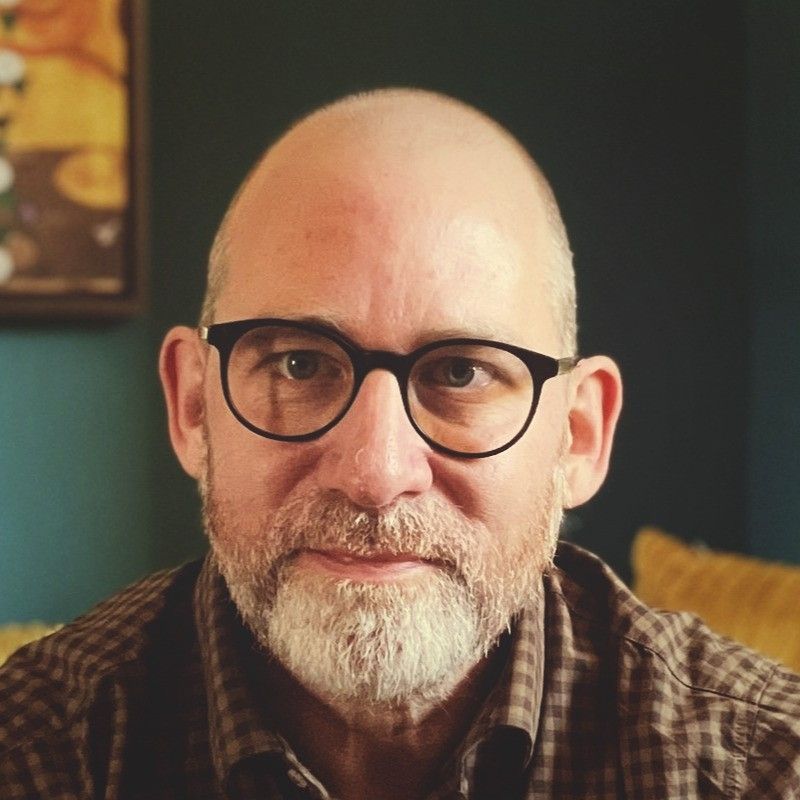
Recently, I completed the process to become an EMCC Senior Practitioner. This was not required in order for me to continue practising. My work is established. I operate a waiting list. The work continues regardless.
But I felt it was important to formally recognise the level I am operating at and to put my practice through external scrutiny.
There is no protected title in coaching. No statutory minimum standard. No mandatory oversight.
When coaching involves identity, work, mental health, power dynamics and systemic barriers — as my work frequently does - the ethical framework behind it matters. Boundaries matter. Accountability matters.
Accreditation introduces structured accountability into a field that can otherwise rely heavily on self-description.
This process was not about adding letters after my name. It was about standing behind the depth of experience I have built over two decades and ensuring it is externally recognised, ethically anchored and demonstrably accountable.
Senior Practitioner status is not awarded on the basis of a short course or certificate alone. It requires evidence of sustained, competent practice.
The minimum criteria include:
At least five years’ practice (I have over twenty)
A minimum of 250 client contact hours
Work with at least 20 clients
Ongoing client feedback
32 hours of CPD per year
Supervision at a ratio of 1 hour per 35 hours of practice
Reflective practice evidence
Membership of a professional body
A detailed written submission mapped to the EMCC competency framework
Adherence to the EMCC Code of Ethics
On paper, these are structural requirements.
In practice, this represents years of complex conversations around disclosure, burnout, workplace conflict, performance management, identity development and systemic inequity. It means making judgement calls carefully. Knowing when to challenge and when to slow down. Recognising the limits of coaching and referring appropriately.
The written submission itself was substantial. It required detailed case analysis, cross-referencing against competencies and explicit demonstration of ethical reasoning. It involved revisiting challenging situations and articulating clearly how decisions were made.
It was not a light-touch process.
Supervision is central to my work.
Not as a compliance requirement, but as an active working space where I interrogate my practice. It is where I bring complexity and uncertainty. Where I examine how I am using power in the room. Where I consider bias. Where I test assumptions. Where I reflect on safeguarding decisions and boundaries.
Supervision prevents isolation. It ensures that difficult judgement calls are not made in a vacuum. It protects clients.
For the accreditation, I had to evidence not only that I attend supervision, but how it shapes my practice. I had to demonstrate patterns of reflection and development arising directly from those sessions.
Client feedback formed another core component of the application.
Recent client evaluations were required, but more importantly, I had to demonstrate how feedback informs development. Coaching is relational. The people I work with actively contribute to how I refine my approach.
Their reflections highlight what lands well, where clarity is needed and where pacing requires adjustment. That process of refinement is continuous.
The accreditation process required me to evidence that feedback is not simply collected, but meaningfully integrated into the ongoing development of my practice.
My work is grounded in the social model of disability.
I do not view neurodivergent clients as problems to be fixed. Much of the work involves examining systems, environments and expectations rather than pathologising individuals.
That stance has practical implications. It shapes how I frame challenges. It shapes how I approach workplace conversations. It shapes how I work with organisations and leaders.
However, holding a social model stance responsibly requires ongoing reflection. It requires clarity about scope. It requires understanding when coaching is appropriate and when therapeutic or clinical intervention is needed. It requires careful navigation when discussing systemic injustice while remaining ethically boundaried.
Within the submission, I had to evidence how this stance is held competently and consistently. Values alone are not enough. They must be demonstrable in practice.
Coaching will likely remain unregulated for some time. Accreditation does not eliminate all risk. But it introduces structured accountability into a field that can otherwise rely heavily on self-description.
If you are considering working with any coach, it is reasonable to ask about supervision, accreditation, ethics and ongoing professional development. Those questions are appropriate.
Coaching involves trust. It should be grounded in structure as well as experience.